Affinity Bias
Meaning & Definition
Affinity Bias
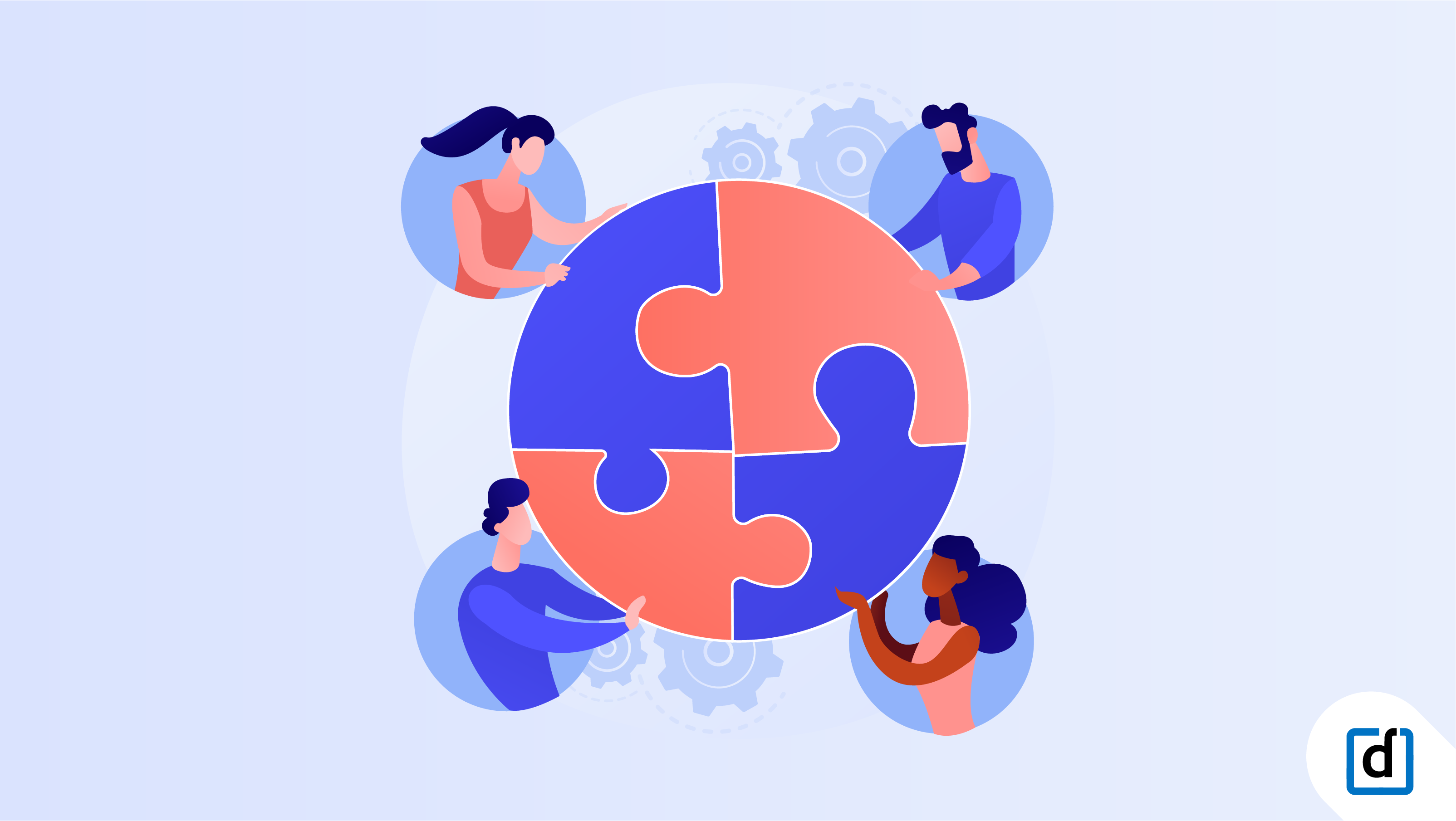
Affinity bias refers to preferring people who come from the same background, interests, or experiences as oneself. Unconscious bias influences decisions concerning hiring, promotion, and even day-to-day interaction. This results in homogenous teams and stifling talent. In workplaces, affinity bias can manifest in managers who favor candidates who may have gone to the same college, speak the same language, or have the same hobbies. Affinity bias often leads to unfair treatment, limited growth opportunities, and a lack of representation. It's human to want to relate or connect with those who feel most familiar, but if affinity bias, it can affect inclusion. For this reason, organizations must check for it and implement awareness training, diverse hiring panels, structured evaluations, and conscious decision-making.
Frequently Asked Questions (FAQs)
Is affinity bias bad?
Though it may seem harmless, unchecked affinity bias can cause an uneven workplace. Favoring people just because they look like you, went to the same school, or have the same hobby will disadvantage others and bring about poor organizational decisions.
How can affinity bias be differentiated from other biases in the workplace?
While specific biases are blatantly directed against race, gender, or age, affinity bias stems from personal similarity, such as areas of interest, training, or upbringing. It happens subtly, but it can affect workplace diversity.
Can affinity bias manifest in performance reviews?
Yes, managers may be biased toward presenting favorable evaluations to team members with whom they are similar, despite poor performance.
In what way does affinity bias influence team diversity?
Biased decision-makers hire and promote certain persons whom they can relate to, thus limiting diversity in terms of thought, background, and approach. Such limits hinder innovation and possibly restrict the growth of the company.
Does affinity bias exist in how people become friends in a workplace?
Yes, wanting to be related to someone is a human condition. However, it could disrupt the dynamics of teamwork if many leaders have a strong affinity bias toward workers who are too "like" themselves.
What strategies minimize affinity bias?
Organisations can reduce affinity bias by creating equal job interviews and employing a diverse panel for hiring people. They can create programs to develop leaders' skills in identifying biases and implement performance appraisals using standardized methods. Self-awareness may also help.
Can technology help find affinity biases?
Yes, using HR analytics with blind recruitment tools can reveal the hidden trends in hiring or promotions that indicate a bias in the decisions. This allows the leaders to review and modify the situation.
How does a person overcome personal affinity bias?
Stop before making decisions related to people. Ask whether what you are about to decide is based on familiarity or merit. Interacting with diverse colleagues can broaden the mindset and help them correct themselves before making biased decisions.
Is affinity bias illegal?
Affinity bias is not defined as illegal, but it may cause discrimination and inequality. For example, hiring someone because they are similar to the interviewer can affect inclusion practices, and it may even be seen as discriminatory. This violates employment equity laws.