Key Takeaways
Integrated talent management connects hiring, onboarding, performance, learning, mobility and succession on shared data instead of separate systems.
Seven connected components form the framework, from workforce planning to succession planning.
Benefits include better workforce visibility, stronger retention, faster skills development and more data-driven decisions.
A practical strategy starts with business goals, a unified skills framework and clean, connected HR data.
The main barriers are legacy systems, inconsistent data, change resistance and limited analytics maturity.
Enterprises rarely lack talent processes. They lack connection between them. Recruiting, onboarding, performance, learning and succession often run on separate systems, so leaders see fragments of the workforce and decide on partial evidence. Integrated talent management closes that gap by linking every talent function through shared data and common goals. Treated as a business enabler rather than an HR project, it gives enterprises clearer workforce visibility, faster response to change and a stronger case for every talent investment. This article covers the definition, components, benefits, strategy and common challenges.
What is integrated talent management?
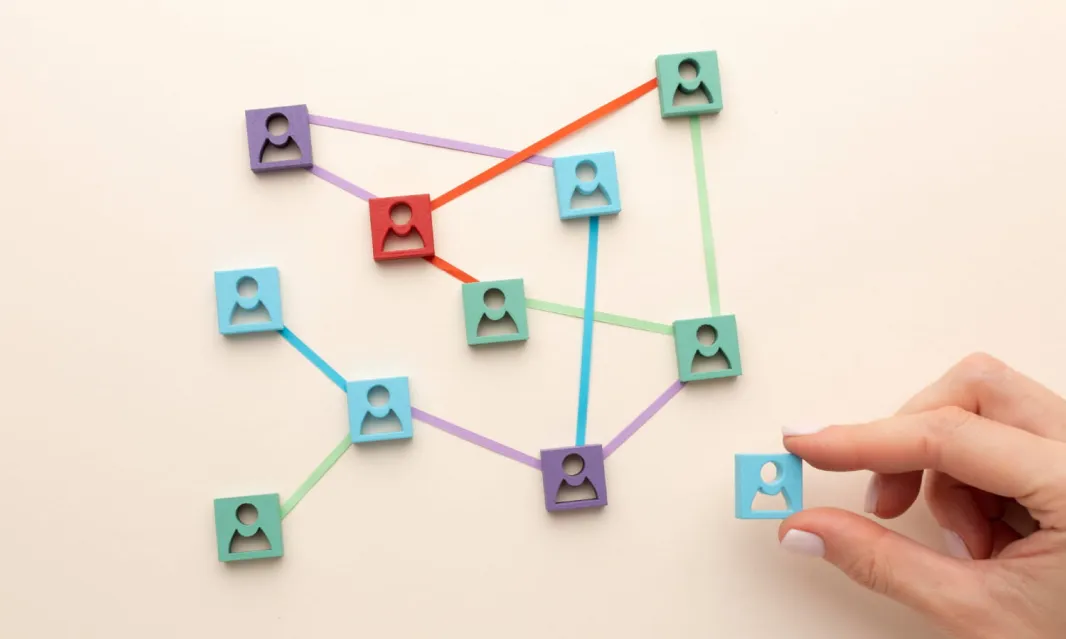
Integrated talent management is a connected approach in which hiring, onboarding, performance, learning, career mobility, succession planning and workforce planning operate as one ecosystem on shared data, rather than as separate programs. Each function informs the next, so a skills gap found in performance reviews shapes learning, and a vacancy in a critical role triggers a search for internal candidates before external hiring. In siloed talent management, each process has its own system, owner and definition of a strong employee. In the integrated model, connected data, automation and workforce intelligence give HR and business leaders one view of skills, readiness and risk, which supports succession planning and every other talent decision.
Why integrated talent management is important for enterprises
Enterprises are moving toward integrated talent strategies because pressure on talent is rising on several fronts: skills shortages, ongoing workforce transformation, hybrid and global workforces, retention pressures and thin leadership pipelines. Korn Ferry's 2026 Global Talent Analytics Survey found that 84% of leaders operate three to ten talent platforms, while only 5% report fully connected systems. When HR systems stay disconnected, employees see no link between feedback, learning and career growth, and leaders decide on partial evidence. Integration ties talent work to outcomes such as agility, productivity, retention and workforce visibility. Employees notice the difference too, because connected processes feel consistent from the first interview to a promotion.
Core components of an integrated talent management framework
Integrated talent management works when every talent function operates inside one connected framework. That connection improves workforce visibility, employee growth and alignment with business goals. The seven components below make up the framework.
Workforce planning
Workforce planning sets the baseline by forecasting the roles, skills and headcount the business will need. Its outputs guide hiring, development and mobility decisions, so every other component works from the same picture of future demand. Without it, hiring and learning respond to this quarter's requests rather than next year's needs.
Talent acquisition
Talent acquisition fills the gaps the plan identifies, drawing on internal and external candidates. Shared skills data lets recruiters match on capability, and hiring information passes straight into onboarding and the employee record. Recruiters also see which internal employees could fill a role, so mobility competes fairly with external hiring.
Onboarding and employee experience
Onboarding turns a hire into a productive employee. Connected to recruitment data, it personalizes tasks, introduces goals early and shapes the first impression of the company, which influences early retention and time to productivity. A connected process also means new hires reach the right systems, managers and learning paths on day one.
Performance and goal management
Goals, check-ins and feedback show how people contribute. When performance management links to skills and development plans, reviews stop being an annual event and become inputs for growth, rewards and succession. Managers gain a current view of strengths and gaps, which makes development conversations specific.
Learning and development
Learning programs close the skills gaps that performance and planning data reveal. Recommendations based on role, skills and career interest keep development relevant, and completion data shows whether learning is changing capability. Connected learning records also feed career paths, so completed courses count toward readiness for the next role.
Internal mobility and career pathing
Internal mobility matches employees to open roles, projects and stretch assignments. Visible career paths improve retention and reduce the cost and delay of external hiring, especially for scarce skills. Employees gain a reason to build new capabilities, and managers gain a wider talent pool to draw from.
Succession planning
Succession planning identifies critical roles and ready successors using performance, potential and skills data. Integration keeps successor pools current as people grow, move or leave. Leaders can then test coverage for critical roles and see where the bench is thin.
Benefits of integrated talent management
Integrated talent management creates measurable workforce and business outcomes. The seven benefits below show where those gains appear, from daily HR work to board-level planning.
Better workforce visibility
One connected record of skills, performance and readiness replaces scattered files, so leaders can see skills, capacity and risk across business units and countries, which makes planning conversations faster and more factual.
Stronger employee retention
Employees stay when they see growth paths, fair recognition and timely support. Connected data helps HR spot flight risks and act before resignations happen. Retention efforts target the teams and roles where risk is highest, which uses budget more effectively than broad programs.
Faster skills development
Skills gaps flow directly into learning and mobility, so development targets what the business needs. Employees build capability sooner and fewer roles stay unfilled. Learning spend becomes easier to justify because it links to specific gaps.
More data-driven talent decisions
Promotions, successors and development investments rest on shared evidence, not manager memory or incomplete spreadsheets. That reduces bias and rework, and it gives employees clearer reasons for the outcomes they receive.
Higher HR operational efficiency
Automated handoffs between hiring, onboarding and performance cut duplicate entry and reconciliation. HR teams spend less time moving data and more time advising leaders. Reporting that once took days becomes routine.
Enhanced employee experience
Employees move through one consistent journey rather than a series of disconnected tools, which improves employee experience at every stage from first day to promotion. Fewer logins and repeated forms also mean less frustration, and managers can support their teams from one place.
Improved business agility
When skills and capacity are visible, enterprises can redeploy talent quickly as strategy shifts, instead of starting a new external search for every change. Strategy shifts, acquisitions and new markets become easier to staff.
How to build an integrated talent management strategy
A strategy turns the framework into a practical roadmap. The seven steps below move from direction-setting to measurement and can be phased over several quarters.
Align talent strategy with business goals
Start with the capabilities the business needs over the next three years. Define which roles and skills are critical to growth and risk, then set talent priorities that support them. Agree on how success will be judged before choosing tools.
Break down HR data silos
Audit the systems that hold talent data and agree on common definitions for roles, skills and performance. Prioritize connections that remove manual reconciliation first, and assign an owner for each data domain.
Create a unified skills framework
Build one skills taxonomy used across hiring, learning, mobility and succession. Shared language lets every process read the same signals, and it lets employees see how skills translate across roles.
Connect talent processes across the employee lifecycle
Map handoffs from candidate to successor and automate the transitions. Each stage should receive data from the one before it, without re-entry or manual follow-up. Remove approvals that add delay but no control.
Use AI and analytics for workforce intelligence
Apply analytics to forecast attrition, surface skills gaps and recommend next steps. Keep leaders responsible for judgment while AI handles pattern detection at scale. Start with one or two use cases and expand as trust builds.
Prioritize employee experience
Design processes around the employee's journey, with simple mobile access and clear next steps. A strong employee experience drives adoption of the connected framework itself. Ask employees and managers where friction remains.
Measure success with talent KPIs
Track time to fill, internal fill rate, retention of high performers, skills coverage and succession readiness. Review them on a fixed cadence with HR and business leaders and adjust the strategy accordingly. Share results with business leaders to keep sponsorship strong.
Common challenges in integrated talent management
Most enterprises meet the same barriers when they connect talent processes: legacy HR systems, disconnected tools, inconsistent workforce data, resistance to change, limited analytics maturity and the complexity of global workforces. Practical responses help:
Phase the integration. Connect the highest-value handoffs first, then expand.
Standardize data. Agree on definitions and ownership before moving records.
Invest in change management. Involve managers early and show quick wins.
Build analytics skills gradually. Start with a few trusted metrics.
Plan for local rules. Configure country requirements once on a shared foundation, so global and local teams use the same core processes.
Retire what is replaced. Switch off duplicate tools once the integrated process works, so teams do not keep two versions of the truth.
Conclusion
Integrated talent management is becoming essential because enterprises need one reliable view of their people to plan, grow and retain talent. Connected talent ecosystems, workforce intelligence and employee growth reinforce one another, and the gains compound over time. AI-driven platforms such as the Darwinbox HR platform help enterprises unify talent processes, improve workforce visibility and scale talent strategies across regions. Readers exploring modern talent management solutions can start with the talent management suite page and compare it against their current gaps.
FAQs
What is an integrated talent management framework?
It is a structured model that connects workforce planning, hiring, onboarding, performance, learning, mobility and succession on shared data, so each talent process informs the others and supports business goals across the enterprise.
What are the components of an integrated talent management model?
Core components include workforce planning, talent acquisition, onboarding, performance and goal management, learning and development, internal mobility and career pathing, and succession planning, all connected through common data and shared definitions.
How does the integrated talent management process work?
Workforce planning defines needs, hiring and mobility fill roles, onboarding and performance build capability, learning closes gaps and succession prepares future leaders. Data from each stage feeds the next, keeping the process continuous.
How does AI enhance integrated talent management strategies?
AI forecasts attrition, recommends learning and career moves, matches candidates and employees to roles, and flags succession risks. This gives leaders earlier, broader evidence while people still make the final decisions.
What should enterprises look for in an integrated talent management platform?
Look for one data model across talent functions, a skills framework, analytics and AI insights, strong integration with payroll and core HR, multi-country support and an experience employees and managers will use.