HR Software
Meaning & Definition
HR Software
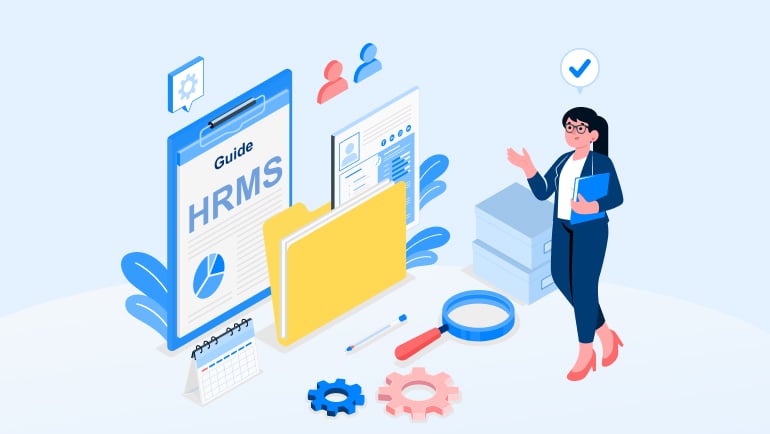
It is a software packages designed to automate many of the common HR tasks and free up resources to be spent elsewhere. Packages often involve a high degree of data processing which is time-consuming when performed manually. Increasingly incorporating analytics functionality that allows HR to more easily perform higher-level tasks such as sifting through applicants, conducting performance reviews and tracking training needs.
Frequently Asked Questions (FAQs)
What does HR software do?
HR software supports an organization's human resources department by automating manual tasks, keeping employee information organized, and creating data-driven reports. This helps in saving a sufficient amount of HR bandwidth by eliminating the need for paperwork.
What are the benefits of HR software?
Improves efficiency of the HR team.
Reduce cost.
Easy access to information.
Data analysis and informed decision making.
Promote transparency and accountability.
Increase employee engagement.
What are the different types of HR software?
Recruiting-focused software
Performance-focused software
Talent-focused software
Workforce-focused software
Engagement-focused software
Payroll-focused software
What’s the difference between HR software and employee relationship software?
Employee relationship Software: The employee relationship management software helps employees achieve targets set for their job roles and helps develop effective communication channels so information needs of employees are met. However, an Human resource software is designed to help employees and management perform at their full potential and is implemented by businesses of all sizes to boost productivity and overall employee engagement.
What are the features of HR software?
Recruitment & Onboarding
Talent Management
Payroll Management
Employee Engagement Management
HR Workflows
Time & Attendance Management Software
Expense Management
Employee Rewards & Recognition
Who uses HR software?
An HR software is being used by the HR’s in a particular organisation. The admin access remains with the HR however, it is imperative for HR to drive adoption to the end-users who are all the employees in an organisation.
What to choose: Cloud or On premise HR software?
The cloud hosted solution is primarily managed in a remote server. The system is also referred to as software as a service (SaaS). Procuring the system is much faster as it doesn’t require much input from IT and procurement offices. There are audits features available based on industry standards. Has a self service portal available thus reducing the workload on the HR team.
On-premise on the other hand is installed and implemented on your company’s premise. You need your own IT team to manage and maintain the on-premise system.
What are the Industry-wise requirements of HR software?
User experience
Accurate data and analytics
Availability of features on mobile
Smooth integration
What are the features to look before buying HR software?
Employee Information Management.
Recruitment and Hiring.
Talent Management.
Benefits Management.
Financial Management.
Time and Attendance Management.
Learning and Professional Development.
Data Analytics & MIS Reporting.
How much does the HR software cost?
The pricing of an HR software depends on the features and benefits that you are going to avail. Depends on company to company.