Hybrid Working Model
Meaning & Definition
Hybrid Working Model
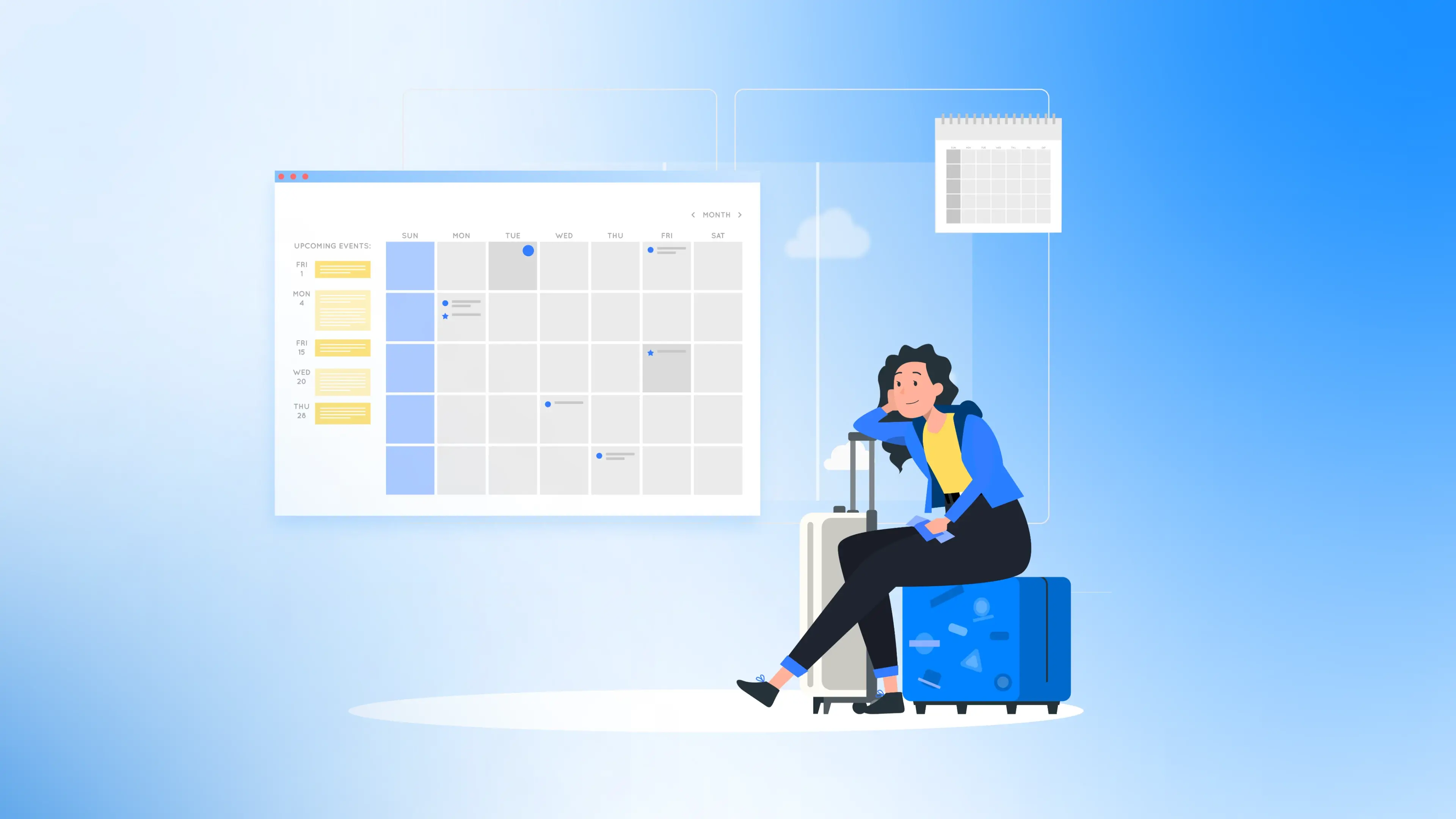
What is hybrid work, and how does it function? Hybrid work is a flexible employment arrangement that combines remote work with office-based work, allowing employees to split their time between home and workplace locations. This model gives workers the freedom to choose where they work based on tasks, team collaboration needs, and personal preferences. The definition of hybrid work centers on flexibility and choice rather than fixed location requirements. Organizations have adopted hybrid models that allow employees to work from the office 2-3 days per week while maintaining productivity and team connection.
Frequently Asked Questions (FAQs)
What are the main types of hybrid work schedules?
The types of hybrid work schedules include:
Flexible Hybrid: Employees decide which days to work onsite based on their personal preference or workload.
Fixed Hybrid: The company designates specific in-office days for all employees, such as Monday to Wednesday.
Manager-Scheduled Hybrid: Managers determine who works onsite and when, often based on team needs or priorities.
Cohort-Based Hybrid: Groups or departments follow the same in-office schedule to support collaboration.
Project-Based Hybrid: Work location varies depending on the nature or stage of a specific project.
What are the primary benefits of hybrid work for employees?
Benefits of hybrid work include reduced commuting time and costs, better work-life balance, increased productivity and focus, flexibility to manage family responsibilities, and access to home comfort while maintaining office collaboration. It also helps employees cut down on daily travel and meal-related expenses.
How does hybrid workplace technology support remote collaboration?
Hybrid workplace technology includes video conferencing platforms like Zoom and Teams, project management tools such as Asana and Jira, cloud storage systems, digital whiteboards, and desk booking applications. Companies invest in high-quality cameras, microphones, and headsets to ensure seamless communication between office and remote workers.
How do managers effectively lead hybrid teams?
Effective hybrid management requires clear communication protocols, outcome-based performance measurement, regular check-ins, inclusive meeting practices, and flexible scheduling. Managers focus on results rather than hours worked and ensure remote employees receive equal opportunities and recognition.
What infrastructure do employees need for hybrid work?
Essential infrastructure includes a reliable internet connection, a dedicated workspace with ergonomic furniture, a laptop or desktop computer, a webcam, and a quality headset, backup power solutions, and mobile hotspots for connectivity redundancy during outages.
How does hybrid work impact company culture?
Hybrid work requires intentional culture building through virtual team activities, regular in-person gatherings, clear communication channels, and inclusive practices. Companies create new traditions like virtual coffee breaks, online game sessions, and hybrid celebration events to maintain connection.
How do companies measure hybrid work productivity?
Productivity measurement focuses on goal completion, project deliverables, client satisfaction, and outcome quality rather than time spent online. Companies use productivity tracking tools, regular progress reviews, and clear milestone setting to monitor performance across locations.