Employee Lifecycle
Meaning & Definition
Employee Lifecycle
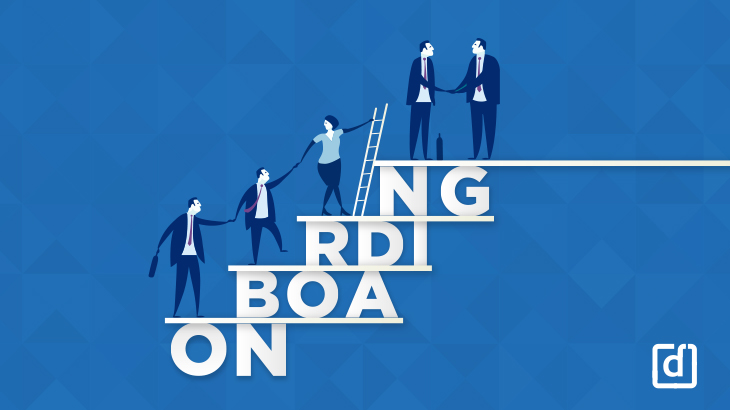
An employee goes through various stages in a company from recruitment, onboarding, orientation, career planning and development, as well as termination. These stages sum up the employee life cycle. Each stage throughout the cycle has its challenges, but it’s important for HR to continuously improve their process for each stage to better the success of their employees.
Frequently Asked Questions (FAQs)
What are the various stages in the employee lifecycle?
Attracting.
Recruiting and Interviewing.
Onboarding.
Engagement.
Training and Development.
Retention.
Recognition.
Offboarding.
Exit.
Why is employee life cycle important?
Employee life cycle is the process that depicts the entire span of an employee’s journey in the company from hire to retire. It is important to have it divided into multiple segments so as to efficiently track the progress and make analysis. Each stage in employee lifecycle is crucial and aids the next step. It is important in that it helps in efficient management of the talent, provides an overview of the employment journey and thus an opportunity for improvement.
What are some tips to have an efficient employee lifecycle?
Here are a few examples of team building activities:
Measure at every step to track the progress.
Be smart with the use of data.
Maintain transparency.
Structure the stages to suit your specific needs.
Delegating judiciously and effectively
Make smart use of technology.
What are the three phases of the employee life cycle?
The various stages in the employee life cycle can be grouped into different phases as shown below:
Pre-hiring phase
Training phase
Post-hiring phase
How do you measure employee life cycle?
The best way to measure and keep track of all that the employee life cycle entails right from attracting the talent to the separation of the employee is to use Talent management platforms or complete HCM suite for solving their talent-related problems. This is an ideal solution for helping you measure, at each and every step, the way your employee is engaging. Reporting can also be a useful tool to measure and thus make further improvements.