WFH (Work From Home)
Meaning & Definition
WFH (Work From Home)
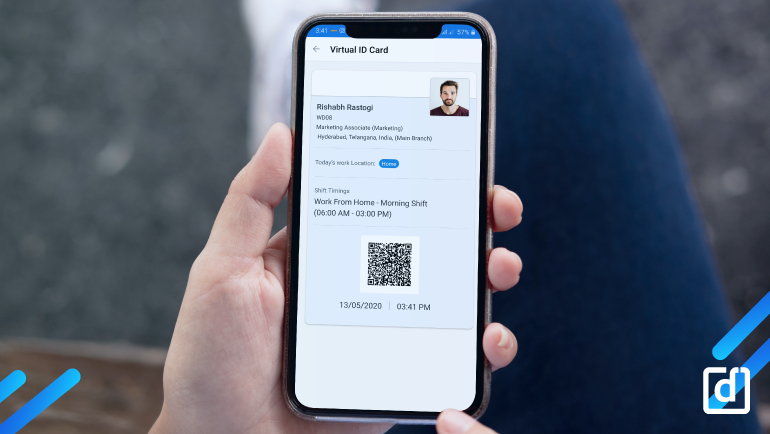
WFH stands for "work from home," a flexible work arrangement where employees perform their job duties from their personal residence instead of a traditional office location. This arrangement relies on digital technology, internet connectivity, and communication tools to maintain productivity and collaboration with colleagues and clients. Many employees create dedicated workspaces in their homes and follow company policies while maintaining regular work schedules and meeting performance expectations. WFH became mainstream during the 2020 pandemic and has since evolved into a permanent option for roles that don't require physical presence.
Frequently Asked Questions (FAQs)
What is WFH, and how does it work?
WFH means working from home using technology to perform job duties remotely, maintaining regular schedules and communication with team members through digital platforms and video conferencing tools.
What are the main WFH pros and cons?
WFH pros include no commute, flexible schedules, cost savings, and better work-life balance, while cons include isolation, distractions at home, communication challenges, and difficulty separating work from personal life.
What is the difference between working from home vs. remote work?
Working from home specifically means working from your residence, while remote work is broader and includes working from any location outside the traditional office, such as co-working spaces or coffee shops.
What is the future of working from home?
The future includes hybrid work models, permanent remote positions for suitable roles, and ongoing investment in digital collaboration tools and home office equipment.
What equipment do employees need for WFH success?
Essential WFH equipment includes a reliable internet connection, a computer or laptop, a webcam, a headset, an ergonomic desk and chair, proper lighting, and access to company software and security systems.
How do managers supervise WFH employees effectively?
Managers supervise WFH employees through regular check-ins, clear goal setting, project management tools, performance metrics, and maintaining open communication channels for support and feedback.
What are the tax implications of working from home?
Self-employed individuals can claim home office deductions for workspace, equipment, and utilities. W-2 employees in the U.S. cannot claim these deductions under current IRS rules. Tax rules may vary by location and employment status.
How does WFH affect company culture and team building?
WFH requires intentional effort to maintain company culture through virtual meetings, online team activities, digital collaboration tools, and periodic in-person gatherings when possible.
What are the benefits of working from home?
Working from home offers several advantages for both employees and employers. Employees save on commuting, work clothing, and meals, enjoy increased flexibility in daily schedules, and many report improved work-life balance. Employers benefit from lower real estate and overhead costs and can hire talent without geographic restrictions.
What challenges do HR departments face with WFH policies?
HR challenges include developing remote work policies, ensuring legal compliance across locations, managing performance evaluations, maintaining employee engagement, and addressing technology and security concerns.