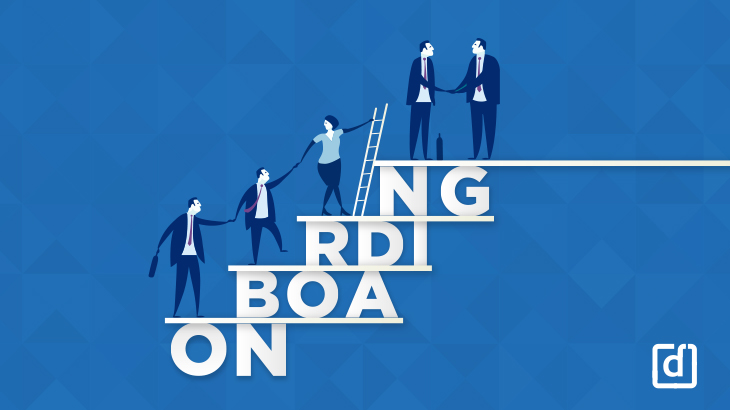
Preboarding
Meaning & Definition
Preboarding
Preboarding process meaning: Preboarding is the period between a new hire accepting a job offer and their first day of work. This phase involves preparing employees before they officially start, setting expectations, and completing administrative tasks that would otherwise consume time during their first week. Companies use this time to send welcome packages, complete paperwork digitally, arrange workspace setup, and introduce team members virtually.
The preboarding process involves more than paperwork processing. It represents the company's commitment to employee success and creates positive first impressions that influence long-term retention. New hires receive their equipment, access credentials, and initial training materials in advance, allowing the first day to focus on relationship building and meaningful work rather than administrative logistics.
Frequently Asked Questions (FAQs)
What's the difference between preboarding vs onboarding?
The difference between preboarding and onboarding lies in their timing and purpose. Preboarding occurs before the start date and handles preparation tasks. Onboarding begins on day one and continues for weeks or months, covering role-specific training, cultural integration, and performance expectations.
How long should preboarding last?
The duration of preboarding typically ranges from one week to one month, depending on the complexity of the role and the size of the company. Executive positions require longer preparation periods, while entry-level roles need shorter timelines.
What should be included in a preboarding checklist?
A preboarding checklist includes:
Contract signing and background checks
IT equipment ordering and setup
Workspace preparation
System access provisioning
Welcome package delivery
First-day schedule communication
Team introduction emails
Initial training material distribution
Who manages the preboarding process?
The HR department coordinates preboarding and collaborates with IT, facilities, direct managers, and team members. Each department handles specific preparation elements.
Does preboarding improve retention rates?
Yes, structured preboarding increases retention by 82% and improves time-to-productivity by 70%. New hires feel valued and prepared, reducing early turnover risks.
What technology supports preboarding activities?
HRIS platforms, document management systems, communication tools, and task management software streamline preboarding workflows. Automated reminders ensure nothing gets overlooked.
Should remote employees receive different preboarding?
Preboarding for remote employees requires additional focus on technology setup, virtual introductions, and digital resource access. Shipping equipment and scheduling video calls become priorities.
How does preboarding impact company culture?
Strong preboarding showcases company values, professionalism, and employee care. First impressions formed during this period influence cultural alignment and engagement levels.
What is preboarding and what happens if preboarding is skipped?
Preboarding is the process of preparing new hires before their first day by handling paperwork, sharing company information, and setting expectations. If skipped, it can lead to confusion, delayed access to tools, slower onboarding, and a poor first impression. New hires may waste time on admin tasks instead of focusing on their roles.
Can preboarding be automated?
Partial automation works for document collection, equipment ordering, and communication scheduling. However, personal touches like manager calls and team introductions require human involvement.