Human resources departments constantly deal with demands that exceed what traditional automation can handle. Traditional rule-based automation tools, including many modern RPA solutions with conditional logic or basic machine learning, execute predefined tasks. They have limited ability to adapt when circumstances change or problems require judgment.
Agentic AI takes a different approach: an agentic AI system that sets goals, plans actions, and adjusts strategies based on real-time feedback without constant human direction. This technology transforms recruiting, employee support, and workforce planning by automating tasks and coordinating actions across HR systems. This analysis examines the benefits agentic AI delivers, explores practical applications across HR functions, and outlines steps for successful implementation.
What Is Agentic AI In HR?
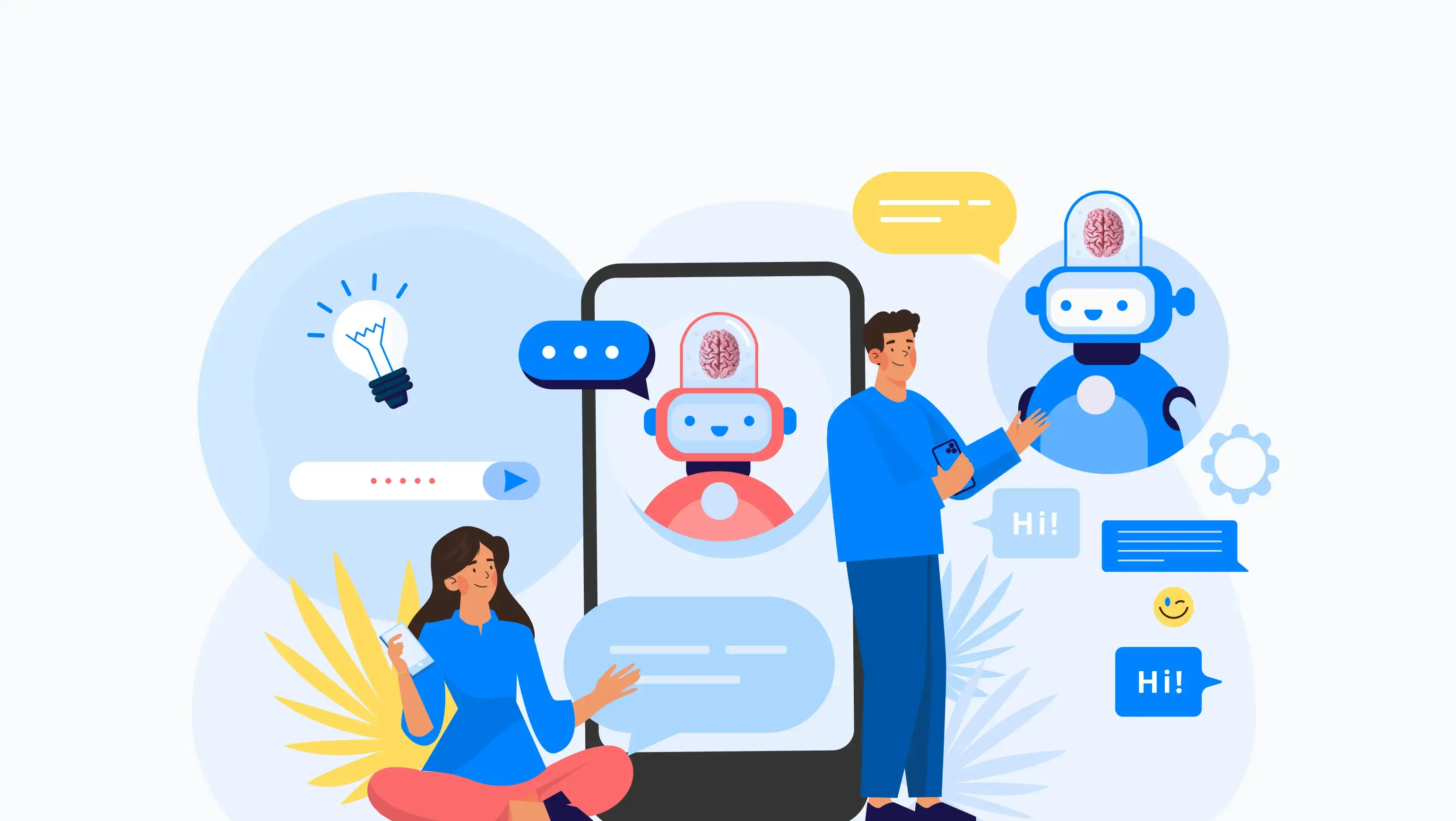
Agentic AI refers to intelligent systems that operate autonomously to accomplish specific HR objectives without constant human oversight. Unlike traditional HR automation that follows predetermined workflows, these AI agents adapt to unique circumstances within an organization. They analyze employee data, execute multi-step processes like onboarding or performance reviews, and continuously improve based on outcomes.
Built on large language models, agentic AI understands natural language requests from both HR professionals and employees. It connects directly with HRIS platforms, applicant tracking systems, and payroll software. The system both accesses information and executes tasks while learning which approaches yield the best results.
Download free [e-book] How Agentic AI is Transforming HR
Benefits Of Agentic AI In HR
Agentic AI delivers improvements across HR operations by automating complex workflows and enhancing decision quality.
Reduces repetitive workload and increases efficiency: Agents complete tasks that previously required coordination across departments and software platforms. A single system can draft documents, update databases, notify stakeholders, and trigger subsequent actions without manual intervention.
Lowers operational costs and response times: Organizations spend fewer hours on administrative coordination and reduce dependency on third-party services for initial candidate engagement. AI-driven HR tools automate screening and scheduling tasks. Forrester’s Total Economic Impact™ study of Cornerstone Galaxy (2024) found that this reduced the average time to hire by 49%, saving HR productivity costs.
Speeds up recruiting cycles and candidate engagement: Agents screen applications within minutes of submission, rank candidates using objective assessments, and initiate outreach through email, SMS, or messaging platforms before human recruiters start their workday.
Provides bias-resistant, data-backed hiring decisions: Systems evaluate candidates against standardized criteria rather than subjective impressions. When properly audited, they reduce the influence of unconscious human bias, though fairness still depends on dataset quality and governance.
Improves overall employee experience through quick resolutions: Support agents resolve benefits questions, update personal information, and explain policy details instantly through conversational interfaces available 24/7 across time zones.
Scales easily with organizational growth: Agents handle volume spikes during seasonal hiring surges or organizational restructuring without additional headcount or extended processing timelines.
Agentic AI helps HR teams move from process execution to strategic enablement by combining speed, precision, and human insight. Instead of manually routing requests or compiling reports, professionals analyze trends, design retention programs, and build leadership pipelines.
Use Cases Of Agentic AI In HR
Agentic AI In Recruiting
Recruiting involves numerous interdependent steps where delays or inconsistencies damage candidate perception and extend time-to-hire metrics. Agentic AI addresses these challenges through end-to-end process management.
Candidate sourcing: Agents scan publicly available LinkedIn profiles, GitHub repositories, professional networks, and internal mobility databases. Agents identify individuals matching job requirements, ensuring compliance with privacy laws such as GDPR through secure handling of personal data.
Resume screening: Agents extract work history, certifications, and project achievements from applications. They score candidates against defined criteria and rank them for recruiter review. This process shortens screening time for high-volume openings while tracking quality-of-hire through 90-day performance metrics.
Interview scheduling: Systems coordinate availability across hiring panels, send calendar invitations with video conferencing links, and dispatch reminder notifications 24 hours before scheduled sessions. Agents handle rescheduling requests and time zone conversions automatically.
Candidate communication: Personalized messages acknowledge applications, provide timeline updates, request additional documentation, and explain next steps through the applicant's preferred communication channel. This maintains engagement throughout lengthy hiring processes.
Offer support: Agents analyze salary benchmarks from Glassdoor, Payscale, and proprietary compensation surveys to recommend competitive packages that align with budget constraints and internal equity standards. Systems can generate offer letters with appropriate language based on role level and location.
Across The Employee Lifecycle
Agentic AI extends beyond hiring to support employees from their first day through career transitions. These applications create consistent experiences regardless of location, manager responsiveness, or HR staffing levels.
Automates onboarding and training workflows: Agents distribute equipment access forms, enroll new hires in benefits plans, assign mandatory compliance training modules, and schedule orientation sessions with department leaders. Systems track completion and send reminders for overdue items.
Personalizes learning through AI-driven recommendations: Agents analyze role requirements, performance feedback, and career aspirations to suggest courses, certifications, and mentorship opportunities tailored to individual development paths. Recommendations adapt as employees progress and priorities shift.
Resolves HR queries with intelligent assistants: Agents interpret questions on topics such as parental leave, retirement contributions, or relocation assistance. They retrieve answers directly from policy documents and benefits provider portals. This system resolves employee support requests without requiring human intervention for standard queries.
Tracks employee performance and suggests actions: Systems monitor project completion rates, peer feedback submissions, and goal progress, prompting managers to conduct check-ins when engagement signals decline. Agents can draft talking points based on recent performance data.
These applications improve both operational efficiency and employee engagement throughout HR functions. Consistent experiences emerge regardless of location, manager responsiveness, or HR staffing levels.
Next Steps To Implement Agentic AI In HR
Effective implementation requires deliberate planning, phased rollout, and continuous evaluation. Organizations should approach deployment as an iterative process rather than a single technology purchase.
Assess organizational readiness and data maturity: Audit HR data quality, documentation accuracy, and system integration to detect weaknesses that might affect agent performance. Well-structured, consistent data supports precise and reliable AI-driven decisions.
Select a pilot function like recruiting or HR service delivery: Start with a high-volume, rule-based process such as candidate screening or benefits enrollment to show measurable gains. Early wins help demonstrate effectiveness and secure leadership buy-in.
Decide between vendor partnerships or in-house deployment: Assess if your team has the capacity to build and maintain custom agents using frameworks like LangChain. Alternatively, partner with Darwinbox, which provides ready-to-use AI-driven workflows, integrations, and long-term support.
Define governance, human review, and escalation processes: Set approval steps for legally sensitive actions and document all automated decisions for compliance tracking. Establish data access limits and escalation channels for employee feedback or disputes.
Train HR teams on AI tools and ethics: Conduct workshops that explain how agents interpret requests, retrieve information, and escalate exceptions. Address concerns about job displacement and emphasize how automation enables higher-value work. Include principles of data privacy, transparency, and accountability.
Measure results using efficiency and satisfaction metrics: Monitor performance indicators like time-to-fill, cost-per-hire, and satisfaction levels from automated interactions. Compare AI-driven outcomes to manual benchmarks to guide future system improvements.
Success requires iterative learning, strong data foundations, and clear accountability across the AI-human workflow. Organizations that pilot agentic tools in contained environments build confidence, uncover integration challenges, and develop best practices that accelerate broader adoption.
Conclusion
Agentic AI in HR drives faster, data-informed, and more personalized employee management by automating complex decision sequences that previously required extensive human coordination. These systems reduce operational costs, accelerate recruiting timelines, and deliver consistent experiences across global organizations. HR's future lies in collaboration between intelligent systems and human judgment, combining automation's speed and consistency with human empathy and ethical oversight. Organizations should start small with pilot programs focused on high-impact processes to build a scalable, future-ready HR ecosystem that adapts as business needs and workforce expectations evolve.
Elevate HR performance now with Darwinbox Agentic AI. Enable speed, clarity, and end-to-end automation today.
Download free [e-book] How Agentic AI is Transforming HR