Engaging employees has always been one of the priorities of organizations that strive to enhance their productivity, retention, and workplace culture. Organizations need creative, considerate, and data-centric engagement strategies as hybrid and remote work reshape the employee experience. It is here that agentic AI in HR, and more precisely, AI-enabled well-being agents, are changing HR leaders' approach to employee wellness and engagement.
With the dawn of a new era, where agentic workforces and intelligent automation are playing an increasingly larger role, the HR team starts to depend on AI agents capable of actively assisting workers, monitoring their well-being indicators, and providing real-time feedback to enhance the experience of employees.
The Definition of Agentic AI and Its Application in HR
Artificial intelligence systems that can make decisions and take goal-directed activities independently, instead of just producing outputs in response to commands, are referred to as agentic AI. Agentic AI actively takes initiative, planning, reasoning, and carrying out actions to accomplish predetermined goals, in contrast to generative AI, which concentrates on creating words, images, or data based on input. It is important to learn the meaning of agentic AI before discussing how AI-based well-being agents can improve engagement.
Agentic AI is the term used to describe AI systems that can act independently, make decisions, and perform actions according to human objectives. Unlike traditional AI models, which only react to a particular command, agentic AI agents can observe conditions and make independent decisions aligned with organizational goals.
This applies in the HR sector, where reactive systems should be replaced by proactive ones, i.e., chatbots that respond to frequently asked questions should be replaced with anticipatory ones based on the needs of employees. These human resources AI agents analyze behavioral data, surveys, and engagement rates to identify signs of burnout, disengagement, or dissatisfaction early enough to allow HR teams to intervene before the problem gets out of control.
That is a major step toward a human-oriented and data-driven HR ecosystem, where technology should amplify human empathy, but rather intensify them.
Download free [e-book] How Agentic AI is Transforming HR
The Evolution of Employee Engagement in the Age of AI
In the past, employee engagement programs were based on surveys, performance reviews, and recognition programs. Although useful, these conventional techniques could not always measure the emotions or dynamic workforce trends in real-time.
HR leaders can now use the continuous data provided by AI-driven systems to gauge employee engagement. Analyzing the patterns of communication, wellness check-ins, and workload balance, agentic AI will offer real-time insights into the sentiment and engagement trends of the workforce.
These systems are designed on firm data privacy principles, with anonymized insights suggesting actions such as schedule adjustments, a needed break, or a manager check-in, to help the employees with their welfare. This shift from passive to proactive observation is the new era of HR transformation.
The Artificial Intelligence-Powered Well-being Agents: A Game-changer in HR
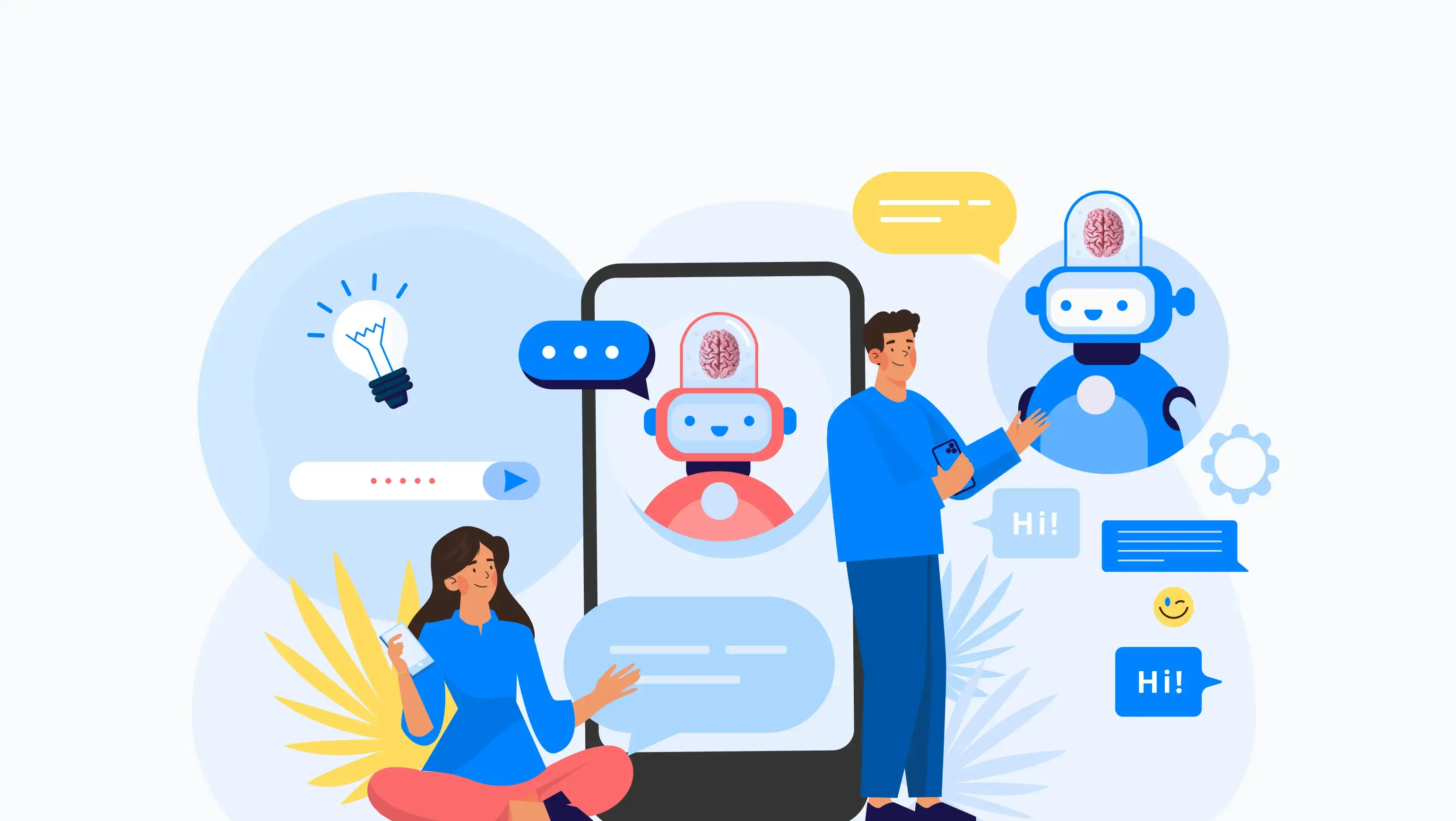
The following agentic AI in HR is AI-assisted well-being agents. Such intelligent systems will monitor, research, and support the psychological and physical well-being of employees in the organization. This is the way they are transforming the employee experience:
Individualized Wellness Interventions
AI well-being agents can detect employee stress or fatigue on time by analyzing information in calendars and collaboration tools. When an employee exhibits red flags of overload or digital fatigue, the AI can suggest mindfulness breaks, suggest workload adjustments, or alert the HR teams to offer timely support.
This brings about an individualized well-being ecosystem in which each employee receives personalized assistance tailored to their needs.
Real-time Interaction Monitoring
AI agents offer real-time engagement information in contrast to the traditional pulse surveys. They also monitor the fluctuations in the mood, productivity, and level of participation in different departments, thus enabling HR leaders to respond promptly.
For example, should the rates of engagement decrease after a new policy is implemented, AI systems can signal this immediately, and leaders can promptly address the issues.
Developing a Supportive Culture
The agentic AI in HR can enhance a culture of care and responsiveness. These HR solutions assist in supporting the welfare of the employees proactively, promoting a feeling of trust, psychological safety, and a better connection to the organizational mission.
Data-Based Decision Making
AI-based solutions create actionable insights that inform HR. Leaders can now implement wellness programs based on precise information instead of intuition, helping with resource allocation, ROI measurement, and workforce trend prediction.
Incorporation of the Agentic AI into the HR Ecosystems
HR leaders must consider three pillars, technology, trust, and transformation, to successfully use agentic AI in recruiting, engagement, and well-being.
Technology Integration
AI agents must be incorporated smoothly into the current HR management systems, and thus, data needs to be synchronized in real-time and with minimal human intervention. Hiring, onboarding, career development, and engagement programs are essential to the recruitment process that HR departments can automate by using agentic AI to ensure they can stay more focused on the employees.
Developing Trust through Transparency
Although automation is efficient, employees need to have faith in the use of their data in an ethical manner. It enhances transparency and lowers the resistance to AI usage through clear communication about the work of AI systems and how data privacy is protected. The enabler to create an agentic workforce, i.e., where the human and the AI work together, is trust.
Driving Changes within an Organization
The application of AI is not purely a technological issue but a behavioral issue as well. HR leaders must encourage an AI-ready culture that embraces the importance of perpetual learning and innovation. Workshops and training sessions can also help educate the employees to be more familiar with the advantages of AI and enhance their experience, rather than take away their jobs.
Advantages of Agentic AI for HR Leaders
The integration of agentic AI in HR delivers quantifiable benefits:
Enhanced Employee Service: AI agents can personalize interaction and HR service delivery, leading to satisfaction and loyalty.
Predictive Insights: Identifying well-being problems in advance makes it possible to act in time.
Operational Efficiency: Monotonous HR procedures are automated to allow teams to focus on strategic activities.
Scalability: AI solutions can process interactions between global teams without the risk of losing the capacity to customize them.
These advantages are not only a technological trend but also a choice of HR leaders trying to establish sustainable and human-focused organizations.
Reactive Workforce to Agentic Workforce
It is predicted that the future of work with AI agents will transform workforce dynamics by 2025 and beyond. Smart AI will continue to empower digital workplaces composed of agentic employees, who are workers with technological power to act autonomously and rationally.
This change requires the HR departments to re-evaluate their talent management, engagement, and career growth policies. Emphasis should be put on enabling employees and not on surveillance by enhancing the conditions where productivity, creativity, and well-being can co-exist with the help of AI.
Combining human intelligence with AI-powered capabilities, such solutions as Darwinbox are already at the forefront, making sure that data informs the HR decisions and is highly human-oriented at the same time.
Conclusion: Making HR Agentic With Intelligence
Engagement of employees is not a one-time survey indicator anymore; it is a journey built up and developed daily through data, empathy, and innovation. As agentic AI in HR rises, organizations are positioned to move away from reactive management toward proactive well-being approaches, which actually comprehend and value each employee.
AI-based well-being agents can help HR leaders build a culture where technology enhances human connection. instead of displacing it. Through these smart systems, the firms can create a resilient, dynamic, and engaged workforce capable of operating in the future of work. We are convinced that the latest chapter of employee engagement at Darwinbox is based on agentic intelligence.
Ready to transform your approach to employee engagement? Discover how the AI-based HR services of Darwinbox can enable your company to create an intelligent, more interconnected, more resilient workforce.
Download free [e-book] How Agentic AI is Transforming HR