Organizations worldwide are accelerating the adoption of cloud-based HR systems to replace legacy human capital management infrastructure. Cloud-based HR systems deliver greater scalability, reduced costs, and deeper workforce analytics. Cloud HR technology enables real-time data processing, automated compliance reporting, and integrated talent management across distributed workforces. Modern HCM architecture eliminates dependency on local servers and hardware maintenance. It strengthens security with encryption, multi-factor authentication, and ISO/SSAE-certified controls. It also supports disaster recovery and seamless integration with enterprise software ecosystems.
What is Cloud HCM Migration?
Cloud HCM migration transforms traditional HR operations by moving employee data, payroll systems, and workforce management tools to hosted platforms. IT leaders pursue specific objectives that drive organizational efficiency and strategic workforce planning:
Operational Efficiency: Cloud HR solutions automate routine HR processes, including employee onboarding, benefits enrollment, and performance tracking. Cloud-hosted HR platforms reduce manual processing time by using automated workflow triggers and document routing, removing paper approvals and simplifying administrative tasks.
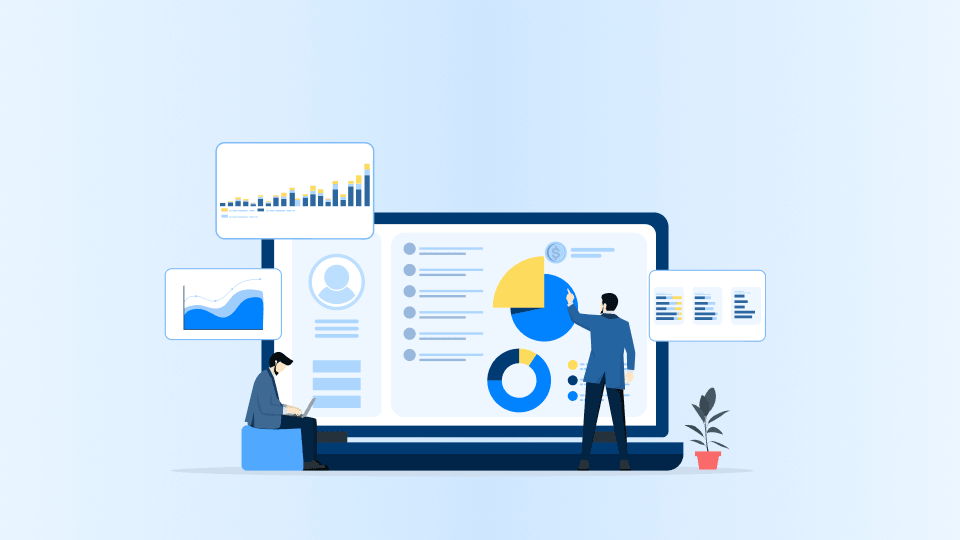
Data-Driven Decisions: Cloud-based HCM platforms provide advanced analytics dashboards that process employee performance metrics, turnover predictions, and compensation benchmarking. These systems deliver real-time workforce intelligence through machine learning algorithms that identify talent retention risks and skill gap analyses across departments and business units.
Integration & Scalability: Cloud HRMS platforms connect seamlessly with existing ERP systems, financial software, and collaboration tools through pre-built API connectors. Cloud-hosted HR solutions scale computing resources automatically during peak usage periods, supporting workforce expansion without infrastructure investment or hardware procurement delays.
Key HCM Migration Challenges
HCM migration challenges create operational disruptions that require systematic planning and risk mitigation strategies to prevent business continuity issues during the transition process.
Data Accuracy & Integrity: Employee data migration preparation must address inconsistent formatting, duplicate records, and incomplete employee profiles that exist in legacy systems. Data errors can occur during the transfer process, requiring comprehensive validation protocols before cloud deployment to ensure information accuracy and completeness.
System Compatibility: Legacy HR processes may conflict with cloud-based employee management features, particularly custom workflows, reporting structures, and integration protocols. Cloud implementations encounter compatibility issues with older payroll systems that lack modern API support or standardized data exchange formats.
Security & Compliance: HR data migration involves transferring sensitive employee information, including social security numbers, medical records, and financial data. Regulatory requirements like GDPR, CCPA, and SOC 2 demand explicit consent tracking and data residency controls. These must be properly configured during cloud platform setup to ensure compliance.
User Adoption: Employees resist change without proper training on cloud HR solutions, leading to decreased productivity and increased support ticket volumes. Cloud HR implementations fail to meet adoption targets due to insufficient change management planning and inadequate user education programs.
HR Data Migration Checklist
A structured HR data migration checklist ensures complete data transfer while maintaining accuracy and regulatory compliance throughout the migration process from legacy systems to cloud platforms.
Inventory Data: Document all employee records, including payroll histories, benefits enrollments, performance reviews, training certifications, and disciplinary actions. Migration protocols require comprehensive data mapping that identifies distinct employee data categories before cloud transfer initiation to prevent information loss or corruption.
Data Cleansing & Validation: Correct formatting inconsistencies, remove duplicate entries, and standardize data fields according to cloud platform requirements. Cloud-based HR systems require standardised data formats to prevent errors during import and ensure compatibility.
Define Governance Policies: Establish role-based access controls, data modification permissions, and approval workflows that align with organizational hierarchy. Cloud HRMS platform administrators must configure user permissions that restrict sensitive data access to authorized personnel only while maintaining operational efficiency.
Regulatory Compliance: Ensure HR data migration follows regulations for employee data, including HIPAA for healthcare, PCI DSS for payroll and financial data, and applicable privacy and reporting laws. Compliance frameworks require data processing agreements and audit trails that track every data access event.
Pilot Testing: Validate data integrity through controlled testing environments that simulate production conditions without affecting live employee records. HCM cloud strategy implementations require pilot testing with sample employee data to identify potential issues before full migration execution.
Strategies for a Smooth Cloud HCM Migration
Following structured practices reduces system downtime and maximizes return on investment while ensuring seamless transition to cloud-based HR operations without disrupting daily business activities.
Cloud Migration Strategy: Align HR cloud migration strategy with organizational objectives, including cost reduction targets, mobile self-service features, and integration requirements. Companies with defined migration strategies achieve faster implementation timelines compared to unstructured approaches that lack clear milestones and success metrics.
Platform Selection: Choose scalable cloud HR technology that supports current employee headcount and projected growth over multi-year periods. Modern platforms support workforce growth while maintaining performance and controlling licensing complexity.
Phased Rollout: Implement gradual migration schedules that prioritize core HR functions first, followed by specialized modules including learning management and succession planning. Cloud-based HCM rollouts reduce implementation risk when deployed in phases rather than simultaneous launches that overwhelm IT resources.
Monitor Performance & Security: Track system response times, data processing speeds, and security incident logs during initial deployment phases. Modern HCM architecture requires continuous monitoring tools that alert administrators to performance anomalies or unauthorized access attempts before issues escalate.
Employee Training & Feedback: Provide comprehensive training programs that cover cloud-based employee management features, including self-service portals, mobile applications, and reporting capabilities. Successful implementations include feedback collection mechanisms that identify usability issues during initial rollout periods.
Optimizing Security and Performance in the Cloud
Security and performance optimization ensure cloud HR solutions maintain data protection standards while delivering consistent user experiences across all organizational levels and geographical locations.
Data Encryption & Access Control: Implement advanced encryption for data transmission and storage while configuring multi-factor authentication for HR data migration access points. Cloud HR systems should use encryption keys with clear separation between admin and user access to reduce data exposure risks.
Regular Backups & Disaster Recovery: Establish automated backup schedules that create regular snapshots of employee data with geographic redundancy across multiple data centers. HCM cloud strategy implementations require recovery procedures that minimize downtime and data loss during system failures or security incidents.
Performance Monitoring: Track system response times, concurrent user loads, and database query performance through real-time monitoring dashboards. Cloud-based HR systems should deliver quick response times for employee self-service functions and efficient loading for complex reporting queries.
Vendor SLA Compliance: Ensure cloud HR technology providers meet uptime guarantees with penalty clauses for service level violations. Vendor agreements must specify data residency requirements, incident response protocols, and compliance certification maintenance schedules that align with organizational needs.
Post-Migration Considerations
Continuous optimization ensures the long-term success of cloud-based HCM implementations while supporting evolving organizational requirements and technological advances in human capital management.
Evaluate ROI & Efficiency Gains: Measure cost savings, processing time reductions, and user satisfaction improvements against pre-migration benchmarks. Modern HCM architecture implementations generate cost reductions and faster HR process completion times through automation and streamlined workflows.
System Updates & Maintenance: Schedule regular platform updates, security patches, and feature enhancements according to vendor release schedules. Cloud HR solutions require systematic updates that introduce new functionality while maintaining backward compatibility with existing integrations and customizations.
Plan for Future Growth: Configure cloud HRMS platform settings to accommodate workforce expansion, future acquisitions, cross-border expansions, and new regulatory requirements. Scalability planning must account for projected growth and potential merger and acquisition activities that could impact system requirements.
Conclusion
A structured HR cloud migration strategy combined with thorough employee data migration preparation ensures security, efficiency, and long-term value creation for organizations transitioning to cloud-based human capital management. IT leaders who follow systematic migration approaches and address HCM migration challenges proactively achieve measurable efficiency improvements. Focusing on user adoption helps minimize operational disruptions and boost system adoption rates. Cloud-based HCM systems need continuous updates and alignment with business goals to stay effective in managing talent and workforce data.