TL;DR
Talent acquisition in 2026 shifts from reactive hiring to strategic, skills-driven workforce planning.
AI isn’t just automation; it supports smarter decisions like better shortlisting and talent matching.
Predictive analytics helps HR leaders forecast demand, reduce risks, and improve the quality of hire.
Key enterprise use cases include high-volume recruiting, internal mobility, diversity insights, and succession planning.
Responsible AI governance and human oversight are essential for fairness, trust, and long-term adoption.
Introduction
Recruitment teams continue to face hiring challenges such as changing demographics, a shortage of qualified professionals, and heavy competition in the talent market, making it necessary to adopt AI for talent acquisition. The World Economic Forum report indicates that 39% of essential workplace skills will undergo transformation, while 63% of employers regard skill deficiencies as their primary obstacle. AI in Talent Acquisition (TA) enables organizations to build their talent pipeline through proactive approaches. This blog examines how talent acquisition technology improves workforce planning and efficiency.
How Talent Acquisition is Changing by 2026
Talent acquisition requires more than filling existing job openings through transactional recruitment. AI for talent acquisition automates screening, scheduling, and sourcing functions. So, human teams can concentrate on cultural assessment and relationship development while hiring candidates.
To compete effectively for talent, organizations now implement skill-first hiring through their skills platform, which helps determine both present and upcoming skill requirements. The recruiting process uses quality of hire, time to productivity, and long-term retention as primary metrics instead of the traditional time-to-fill metric assessment.
Candidates expect to receive a completely customized experience right from their first contact during the acquisition process. The hiring process becomes more complex as companies expand their operations and begin hiring remote employees, and need to find specialized talent. TA teams must adopt a strategic approach for talent acquisition instead of their current method of filling open roles.
The Role of AI in Talent Acquisition - Beyond Automation
Recruiting AI technology is not just about task automation. Instead of doing the work, AI helps formulate the strategy through talent intelligence.
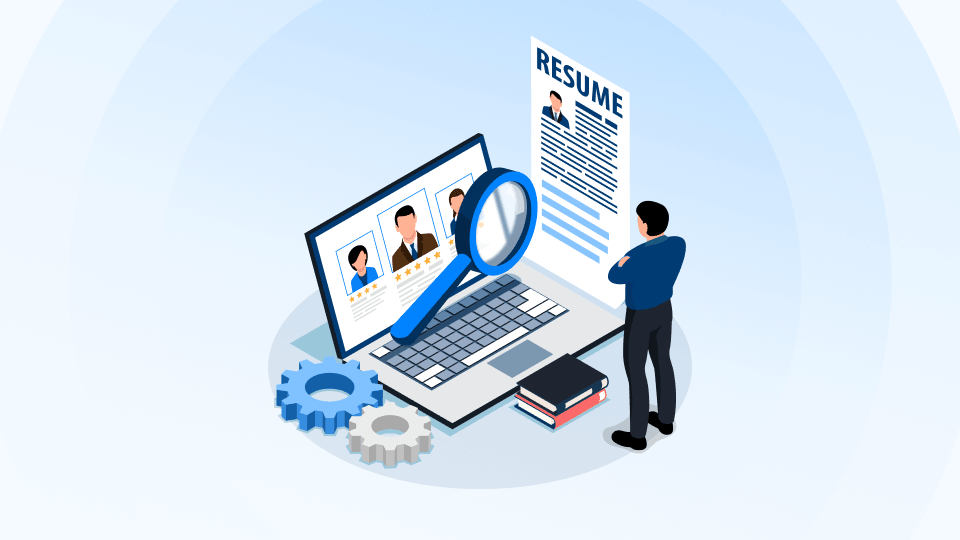
AI tools drive decision intelligence, starting with shortlisting that selects candidates not just based on job requirements, but on context, skills, and experience. It reduces cognitive overload for the recruiter, as AI can rank candidates based on actual role alignment. It facilitates multi-faceted talent matching by providing a total talent picture.
The AI tools can even compare external candidates against internal employees and even company alumni to find the best fit for the role.
Traditional rule-based systems or static systems with rigid filters result in recruiter workflows that don't adapt to changing candidates' behavior. AI in HR is more dynamic, as these systems can calculate the probability of success for holistic integration.
Beyond supporting recruiter judgments, AI tools can also pull data from the broader market and offer advice to the recruiter, comparing candidate profiles, market demand, and organization skill requirements.
Predictive Analytics in Talent Acquisition
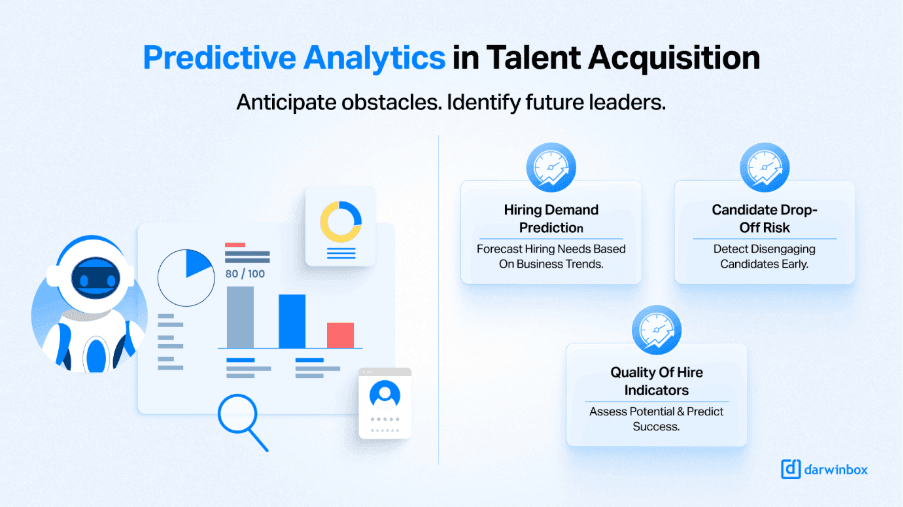
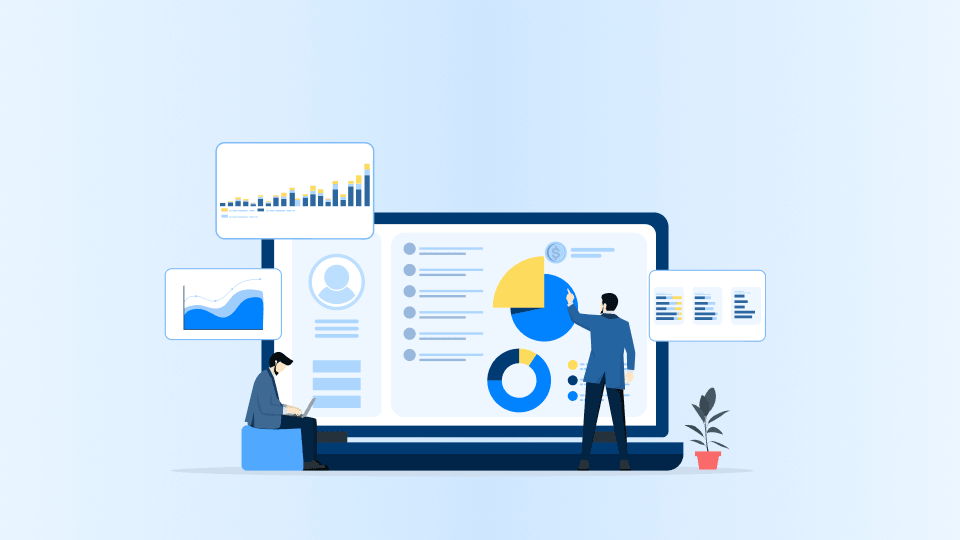
Talent acquisition predictive analytics helps TA leaders to anticipate obstacles and identify the fastest route to growth. It allows them to make high-stakes decisions with confidence.
Imagine a retail chain facing Black Friday staffing shortages. AI scans sales forecasts, turnover data, and applicant behavior, flagging top candidate Sarah (strong retail skills, 90% success score) at drop-off risk due to slow response. Recruiter intervenes with personalized text and Sarah is hired in 48 hours.
Such predictive analytics helps align hiring speed with business growth. With information on where the hiring process or the current workforce is lagging behind, predictive analytics helps HR leaders mitigate talent risks. When recruitment teams can correlate assessment scores, interview sentiment, and historical performance data to create a predicted performance score, they can ensure that the people hired today have the potential to become leaders of tomorrow.
AI in Talent Acquisition is useful in the following scenarios:
Hiring Demand Prediction: Instead of waiting for a job opening, TA systems can study the business signals like sales pipeline growth, new product launches, turnover patterns, or market trends to predict hiring needs several months in advance. It helps businesses prevent panic hiring and reduce the cost of urgent external recruits.
Candidate Drop-off risk: AI models can analyze real-time candidate behavior to identify applicants who are at a higher risk of dropping out. It allows recruiters to intervene with a personal touch when a top-tier candidate is disengaging. It protects the talent pipeline and helps prevent the loss of critical talent to competitors.
Quality of Hire Indicators: Predictive tools can compare current high performers with new applications to identify a success probability score. Knowing which talent has the potential to grow and perform better helps organizations to identify who will deliver instead of focusing on who is currently available. It minimizes the probability of a bad hire by focusing on long-term cultural and performance alignment.
Enterprise Use Cases HR Leaders are Prioritizing
While implementing AI recruitment technologies, HR leaders must focus on how AI can solve systemic business problems. Some of the use cases where AI in HR can be useful are:
High-volume hiring at scale: In sectors like logistics, hospitality, or retail, fully automated pipelines can fill roles faster within hours instead of weeks. Hiring can minimize lost revenue due to understaffing, and it also offers a seamless experience for candidates who receive offers in near real time.
Frictionless internal mobility: AI systems can automatically match current employees to new projects or open roles based on their skill sets, performance, and completed training. When internal moves are made easier than external hires, organizations can lower hiring costs and keep their high potentials engaged.
Diversity monitoring: AI dashboards can provide real-time insights into diversity and equity within the organization. AI solutions can reduce gender-coded job descriptions or biased interview panels, so that diversity measures are implemented from the get-go.
Talent sourcing: Organizations that experience growth need intelligent talent sourcing, which depends on their ability to swiftly deploy their workforce. The organization must establish a hiring strategy that combines full-time employment with contingent workforce solutions according to its operational requirements.
Total talent view: The AI systems provide HR departments with a single talent evaluation view that helps determine hiring, upskilling, and contracting choices for specific skills. The system delivers skills-based project talent acquisition at optimum expense to the organization.
Succession planning: AI systems use automated succession planning to evaluate performance strategies and leadership potential through their system. The system maintains succession benches while eliminating personal bias through its objective assessment. The selection of future leaders should proceed through performance evaluation and potential assessment instead of choosing candidates based on their established seniority status.
AI Governance, Bias, and Trust
The implementation of unbiased algorithms through governance mechanisms becomes essential because talent acquisition depends on AI technologies. Algorithmic bias leads to systemic exclusion, which affects thousands of people when organizations lack governance frameworks. When AI is used for acquiring and sourcing talent, the organization is responsible for explaining the decisions and ensuring human-in-the-loop models. That concern is widespread. In a Future of Recruitment Technologies 2025-26 report, 58% of HR professionals cite bias risk as their top concern with AI in recruitment, followed closely by depersonalization (51%) and legal/compliance risk (50%), Governance must be positioned as risk management and an enabler of trust so that HR leaders can confidently adopt AI at scale. Responsible use with human input ensures that AI contributes to equity and fairness to align technology with organizational values.
What HR Leaders Should Start Doing Today to Be Ready for 2026
For HR leaders using AI for talent acquisition, the focus must not be on software procurement but on structural readiness. The TA function has to move from a service provider to a strategic architect of the workforce. HR actions include:
Review the existing tech stack to determine whether the current tools can integrate with future-ready data and analytics platforms.
Invest in data cleaning, as data quality is fundamental for accurate forecasting of insights.
Develop analytical capabilities in recruiters so they can use data interpretation and workforce planning skills to understand analytics outcomes and take action.
Create AI governance frameworks, policies for AI usage, and ethical guidelines and procedures to detect biases and create understandable AI systems.
Connecting hiring metrics with organizational objectives for talent supply and demand forecasting enables companies to synchronize their recruitment activities with their workforce planning tactics.
Conclusion: Future of Talent Acquisition
AI for talent acquisition improves hiring efficiency. AI complements human judgment and enhances predictive capabilities for workforce planning. HR professionals who focus on governance, data maturity, and workforce capabilities will be well-equipped to compete in the market. Organizations looking to scale and optimize hiring processes need AI-ready enterprise HR platforms. Start by assessing talent acquisition maturity to balance strategy and innovation. Explore how Darwinbox delivers talent intelligence to support compliant, fair, and explainable talent acquisition.
References
FAQs
HR Software Features That Matter for Enterprises | Darwinbox
Explore the most important HR software features enterprises need today, from AI and analytics to compliance, scalability, and workforce intelligence.
What is AI in talent acquisition?
AI in talent acquisition refers to technologies that assist in sourcing, evaluating, and engaging candidates faster and smarter.
What are the benefits of AI in talent acquisition?
The benefits of AI in talent acquisition include faster hiring cycles, improved candidate matching, and enhanced decision-making.
What are the challenges of AI in talent acquisition?
The challenges of AI in talent acquisition include the potential for bias, issues with data quality, and the need for governance to address bias.
Is AI recruitment technology appropriate for large companies?
Yes, large companies benefit from the advantages of scale, analytics, and integration of strategic workforce processes.