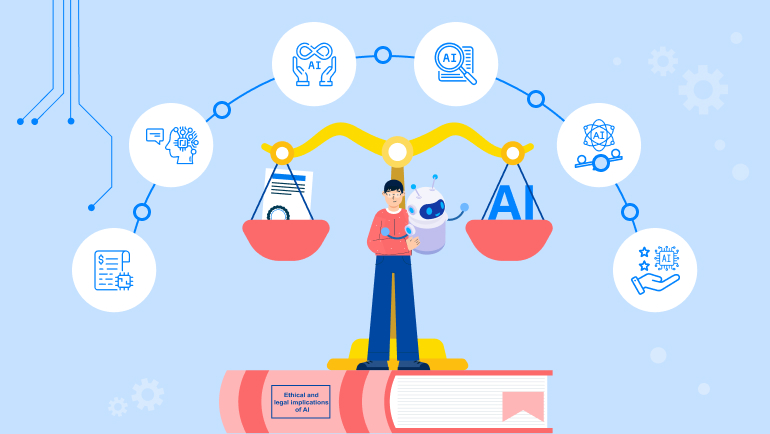
AI in the workforce is shifting from a passive tool to an active collaborator. HR departments now work alongside systems that screen candidates, predict turnover, and recommend promotions without requiring a manual trigger. This evolution brings efficiency but also raises questions about control and responsibility. What happens when algorithmic recommendations conflict with human intuition? The changing workforce demands both innovation and accountability. This guide explores how HR leaders can use agentic AI while preserving human judgment to safeguard fairness, transparency, and trust.
What is Agentic AI in HR?
Think about how many resumes your HR team reviewed, how much scheduling was involved, and how long it took to make a decision. Agentic AI systems are changing these HR operations through their ability to act independently, supporting tasks like recruiting, onboarding, and workforce planning.
Features
Autonomy: These systems perform tasks independently, making decisions based on data patterns and predefined objectives. For example, AI can automatically shortlist resumes without human input.
Adaptability: They learn from new information and adjust their approach over time. They can reschedule interviews based on updated availability.
Proactivity: Rather than waiting for instructions, they initiate actions when they detect needs. For example, AI can recommend onboarding training for a new hire as soon as they join without waiting for a human to ask.
These capabilities change how HR teams operate, enabling AI to anticipate needs, suggest actions, and support decision-making.
The Need for Human Oversight
Workforce AI can process applications faster than any recruiter and spot patterns humans might miss. But here's the tension: speed and pattern recognition don't guarantee fairness. Relying solely on algorithms creates ethical and transparency risks. Human oversight ensures fairness, builds trust, and clarifies who's accountable when decisions affect people's careers and livelihoods.
Fairness: AI trained on historical data can replicate existing biases, affecting hiring, promotions, and workforce decisions. Human review adds a check, catching errors and blind spots that algorithms might miss.
Transparency: Employees deserve to understand how decisions about their careers are made. Clear explanations of AI-driven recommendations help staff see the reasoning behind suggested training, promotions, or mentorship connections.
Accountability: When an AI workforce makes mistakes, someone needs to own the outcome. For example, if an AI system rejects qualified candidates unfairly, HR leaders must step in, review the decision, and correct the process.
Without these safeguards, organizations risk eroding employee trust and exposing themselves to legal and reputational damage. The balance between speed and responsibility becomes the defining challenge of modern HR technology.
Risks of Over-Autonomy in HR
AI systems grow more independent each year, narrowing the gap between operational speed and ethical control. For example, in 2018, Amazon scrapped an AI recruitment tool after discovering it penalised female candidates, proving that autonomy without oversight produces fast but damaging outcomes. HR processes depend on fairness, accountability, and employee confidence, all of which suffer when machines operate unchecked.
Bias Amplification: AI trains on past data, absorbing embedded prejudices that skew hiring and promotion choices over time. These distortions shrink workforce diversity and undermine fair treatment. Routine audits and training data from varied sources reduce inherited bias and improve outcome equality.
Data Misuse: Autonomous tools handle sensitive records, including performance scores, health details, and identity information. Weak governance opens paths to unauthorised access or leaks. Restricted permissions and enforced compliance rules protect confidentiality and limit exposure risk.
Opaque Decision Making: Some AI models produce results without revealing the logic behind them. This opacity prevents HR teams from defending outcomes or resolving disputes. Explainable AI frameworks reveal reasoning steps, making decisions defensible and easier to scrutinise.
Erosion of Accountability: Machine-driven choices blur responsibility, leaving no clear owner when errors occur. Assigning human accountability for AI outputs preserves ethical oversight and ensures someone answers for each automated decision.
Employee Distrust: Heavy dependence on AI leaves staff feeling excluded or watched. Open dialogue and human involvement sustain trust and confirm that technology supports rather than sidelines people in workplace decisions.
Implementing Effective Human Oversight
HR leaders need control without creating bottlenecks. Defined approval gates, audit schedules, and review protocols let HR maintain control over AI decisions without sacrificing speed. These measures prevent ethical lapses and operational failures while preserving the efficiency that makes AI systems valuable.
Human-in-the-Loop (HITL): Human judgment should step in at critical decision points, particularly those affecting employment status or pay. AI generates hiring suggestions, but a manager must approve each offer after weighing team dynamics and culture fit alongside the system's recommendations.
Governance Frameworks: Written policies and oversight committees establish boundaries for how AI systems operate. Boards should set rules for which data AI can access, when decisions need human approval, and how employees can challenge outcomes. These guidelines apply to performance reviews, promotions, and compensation adjustments.
Continuous Monitoring: Monthly or quarterly audits catch problems before they spread. Teams should compare AI recommendations against actual outcomes, flag calculation errors in payroll, and identify unusual payment patterns. Discrepancies point to bias in how the system processes employee data.
Training & Education: HR staff need to understand how these systems work and where they fall short. Training sessions help to teach employees to interpret AI-generated reports and evaluate salary or promotion suggestions. Staff also learn to recognise when personal knowledge of an employee should override what the algorithm suggests.
These oversight mechanisms create a safety net without creating delays. The goal is informed human decision-making, not bureaucratic obstacles.
Benefits of Balancing Autonomy with Oversight
Combining AI autonomy with human oversight improves efficiency without sacrificing trust or accuracy. This balance lets HR teams handle growing workloads while maintaining the judgment that automated systems cannot replicate.
Enhanced Trust: Employees feel more confident in decisions when they know humans review AI recommendations.
Risk Mitigation: Human review catches bias, errors, and edge cases that algorithms miss.
Improved Decision-Making: AI surfaces patterns and insights humans might miss, while humans provide context and judgment that data alone can't capture.
Compliance Assurance: Human oversight ensures automated decisions align with evolving legal standards and organizational policies.
The benefits of this balanced approach increase over time. Organizations learn AI limitations while maintaining employee confidence in automated decisions.
Challenges in Balancing AI Autonomy and Oversight
Balancing AI autonomy with human oversight creates operational and ethical challenges. Privacy concerns, algorithmic bias, transparency gaps, and accountability issues require deliberate mitigation strategies.
| Challenge | Description | Mitigation |
|---|---|---|
| Data Privacy | AI handles sensitive info like salaries, performance, and health data. | Encrypt data, limit access, ensure compliance with GDPR and CCPA, and audit regularly. |
| Algorithmic Bias | AI may reflect biases in training data, affecting hiring or promotions. | Audit models and use diverse datasets, implement fairness checks. |
| Transparency | AI decisions can be unclear to employees. | Use explainable AI dashboards, provide decision summaries. |
| Accountability | Hard to assign responsibility for AI-driven outcomes. | Human review for key decisions, clear governance, and oversight roles. |
| Ethical Risks | AI systems may produce harmful or unethical outcomes, including biased hiring, unfair evaluations, or inappropriate profiling. | Ethics committees, continuous monitoring, and impact assessments. |
Conclusion
Balancing AI autonomy with human oversight creates ethical, transparent, and trustworthy HR operations. Implementing governance frameworks, HITL processes, and ethical guidelines allows organizations to benefit from workday agentic AI efficiency while safeguarding employee interests. HR leaders should adopt these practices now, establishing oversight structures before risks emerge. Organizations that integrate algorithmic power with human judgment are better positioned to manage AI effectively and responsibly.
Empower your HR teams with Darwinbox agentic AI for responsible and efficient decision-making.
Download the free ebook [e-book] How Agentic AI is Transforming HR